
When “Brave Journalism” Won’t Answer the Survivor Who Has the Facts

There’s a strange contradiction playing out in public right now.
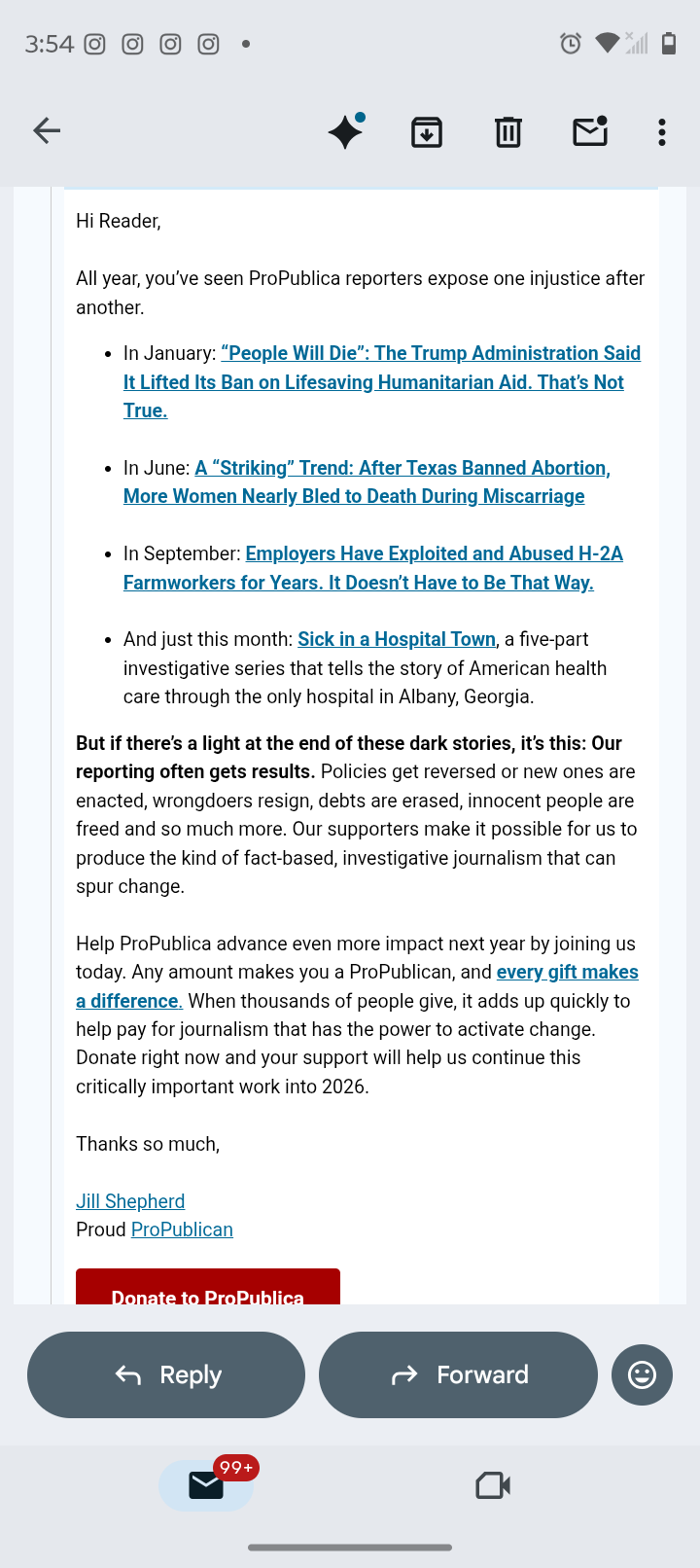
As conversations resurface about Jeffrey Epstein, about the many survivors who were ignored, dismissed, or quietly sidelined, major investigative outlets are once again asking for money. They’re branding themselves as fearless truth‑tellers. As the last line of defense against silence.
And yet, here I am.
A trafficking survivor.
Someone with documentation.
Someone who has repeatedly, calmly, and directly reached out.
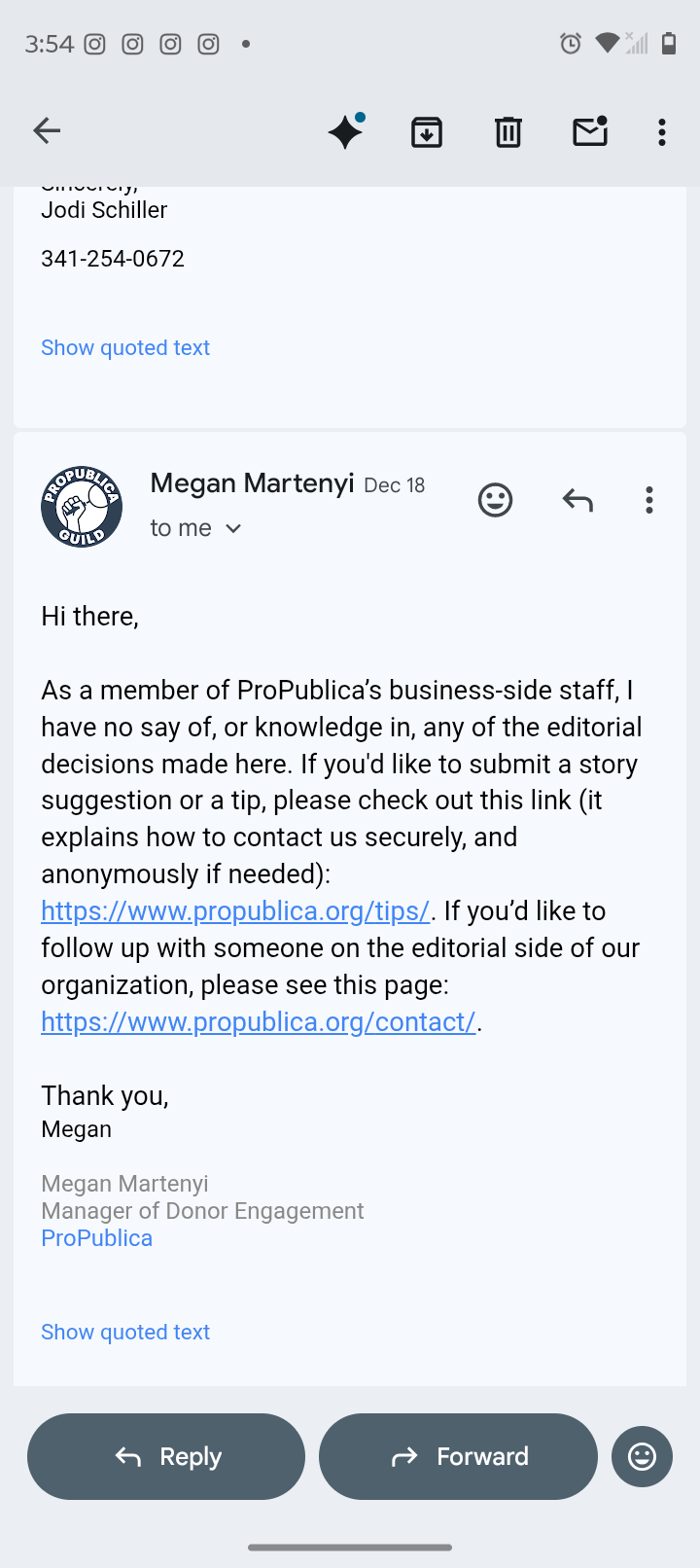
And I am met with nothing.
No questions.
No request for evidence.
No explanation for the silence.
Just fundraising emails and public self‑congratulation.
What I Offered
This isn’t a vague complaint or a bid for attention.
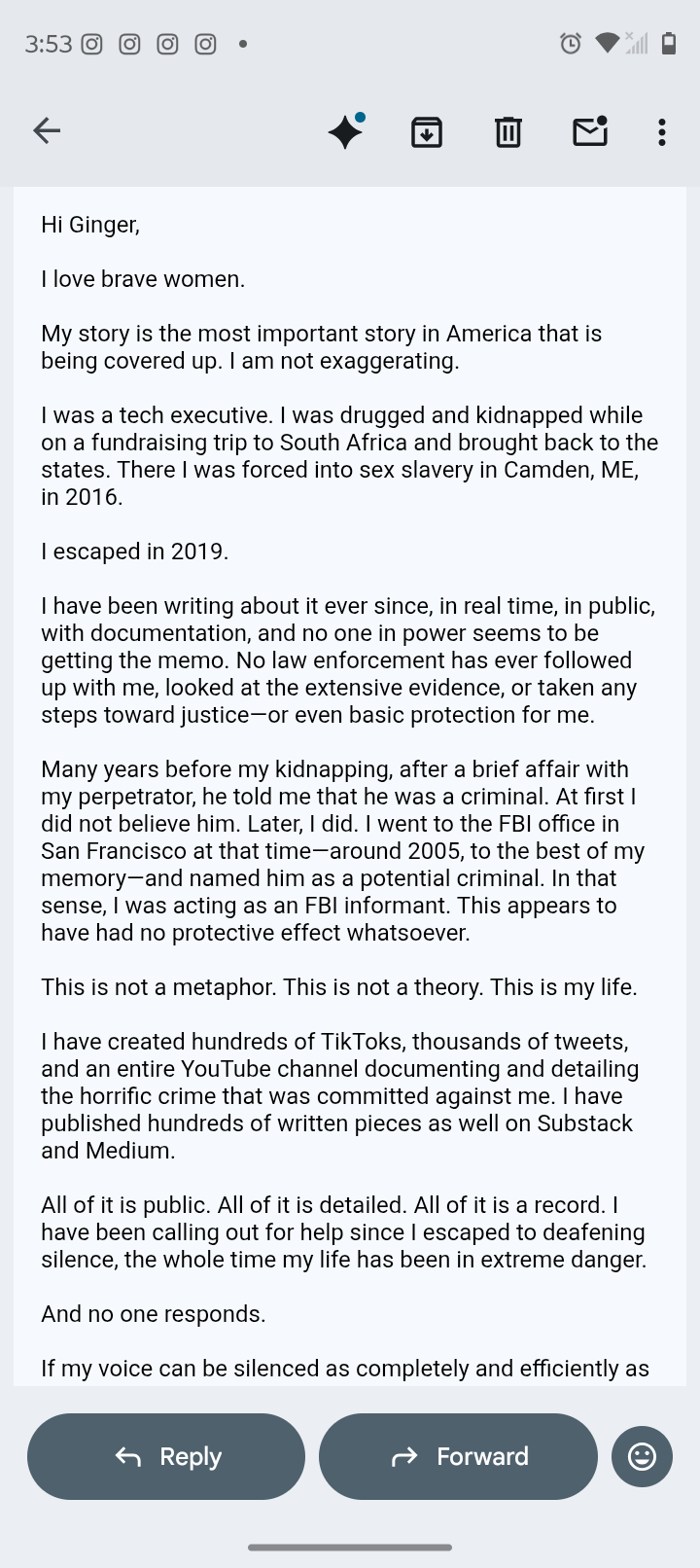
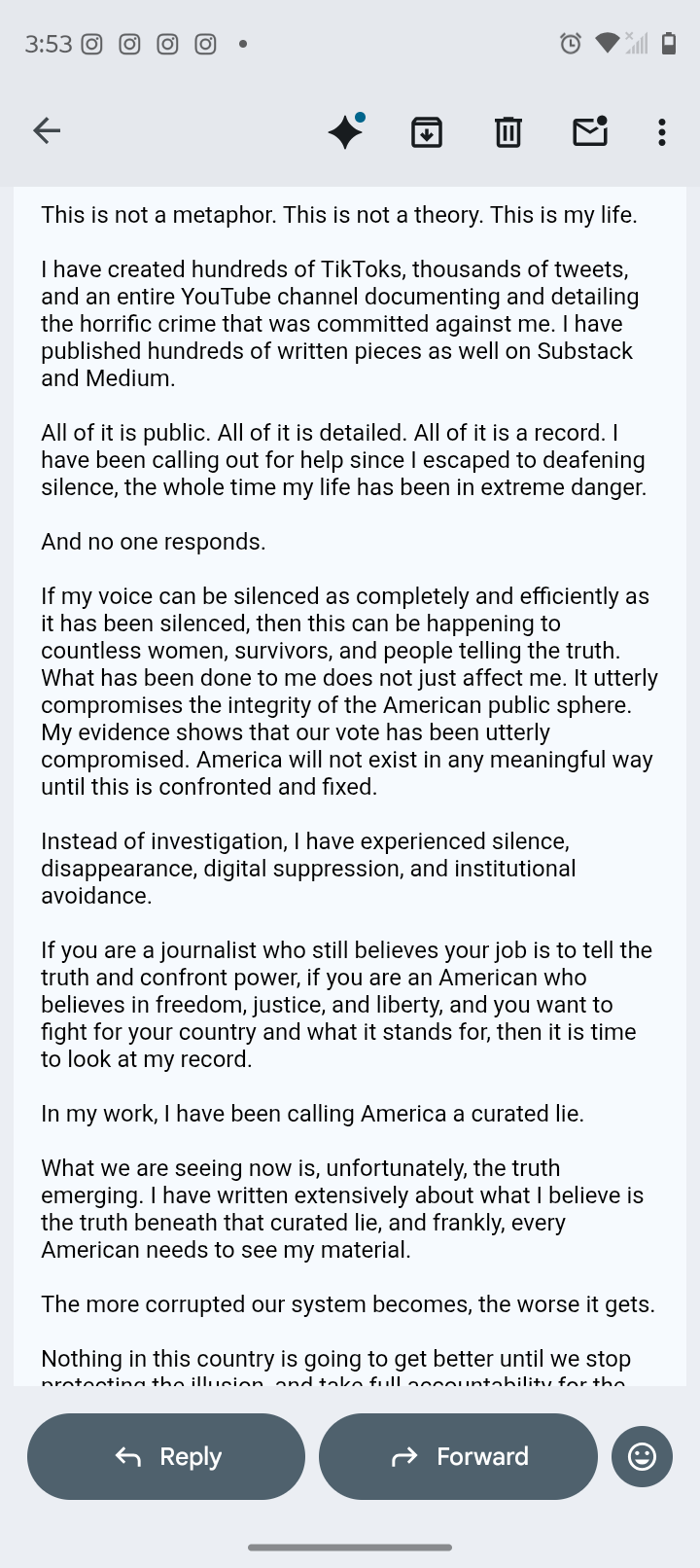
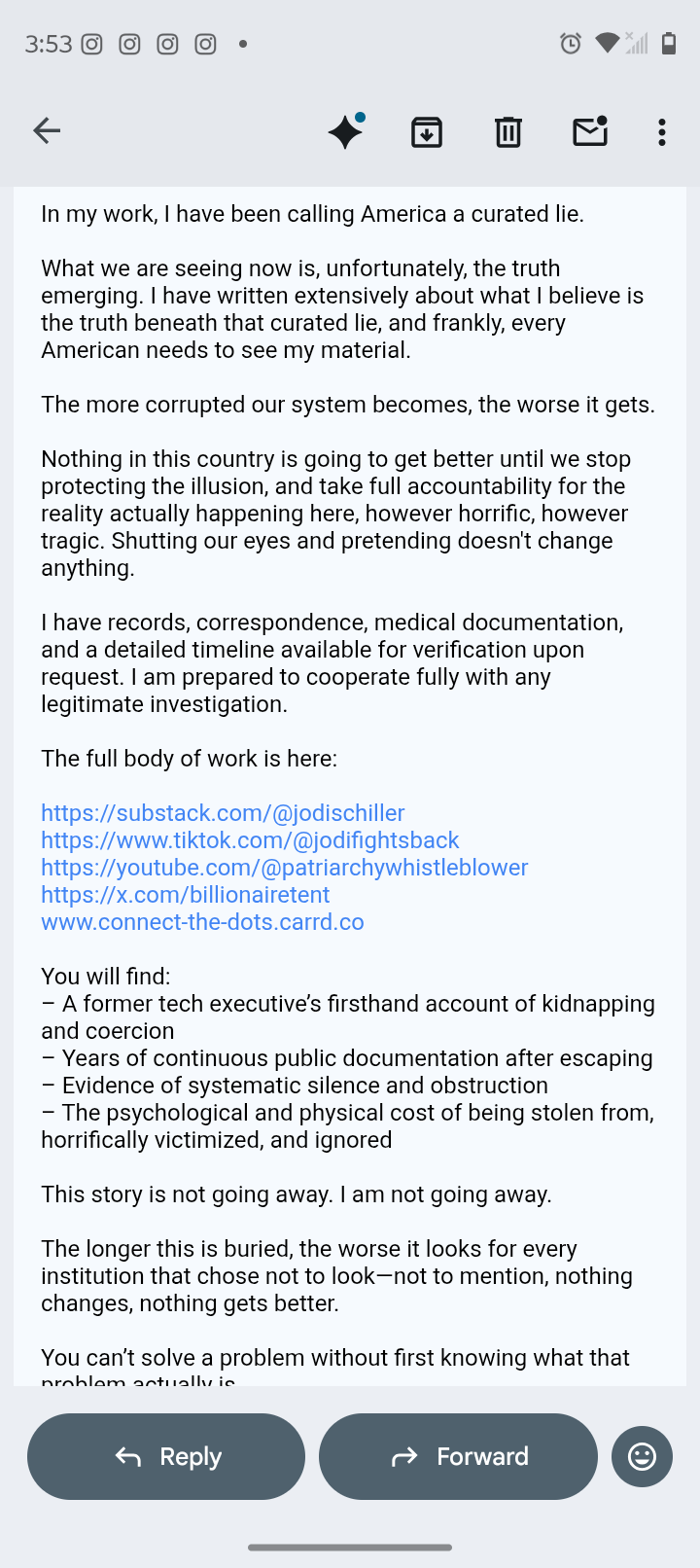
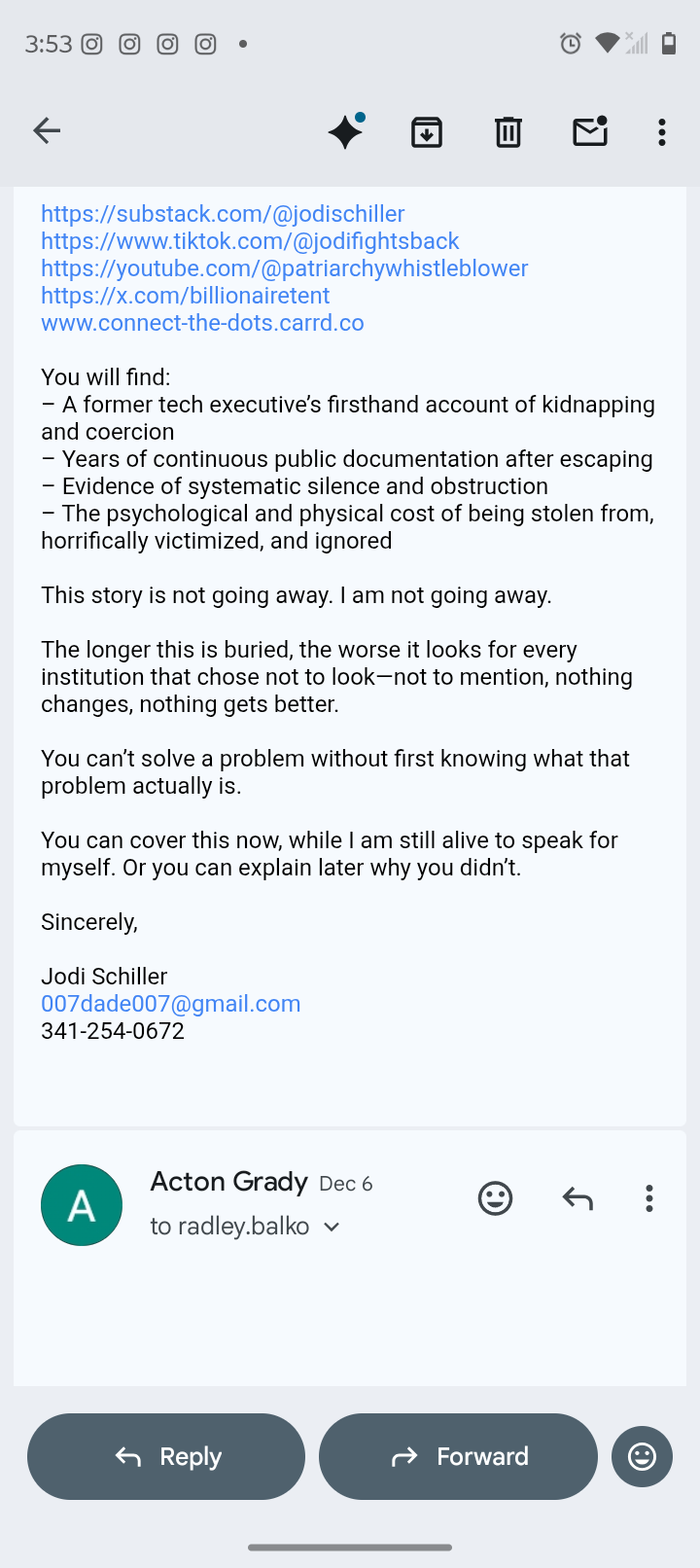
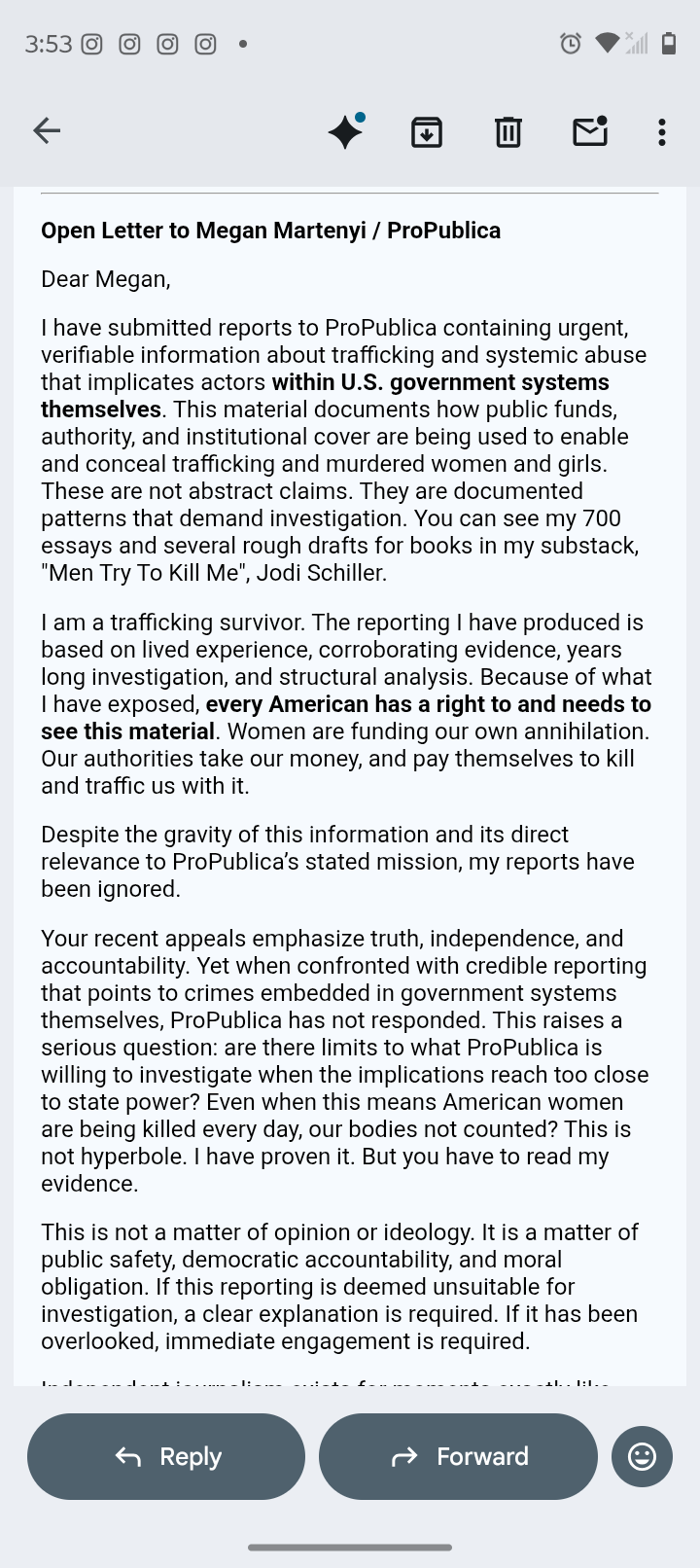
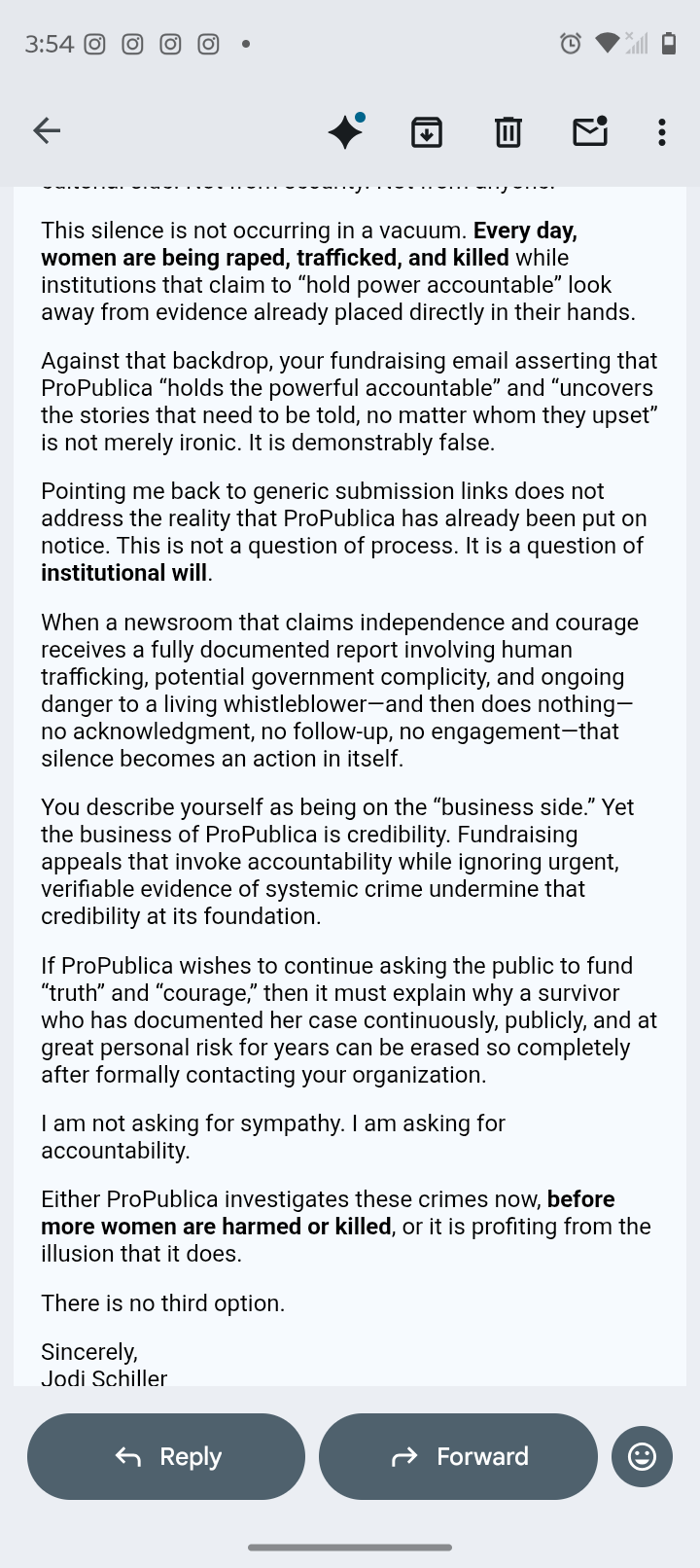
I contacted ProPublica with:
Verifiable facts
Documentation
A clear account
Willingness to answer questions
Willingness to be scrutinized
This is exactly what investigative journalism claims to want.
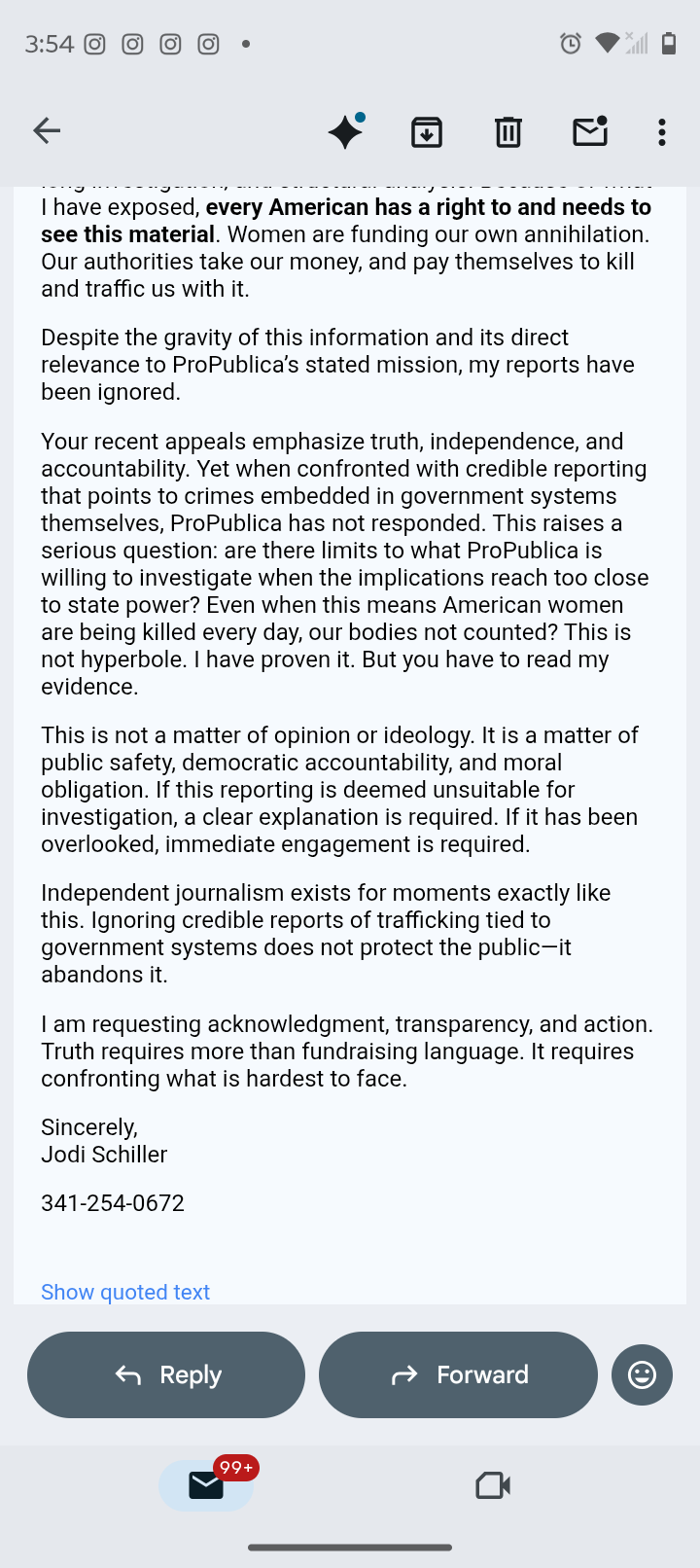
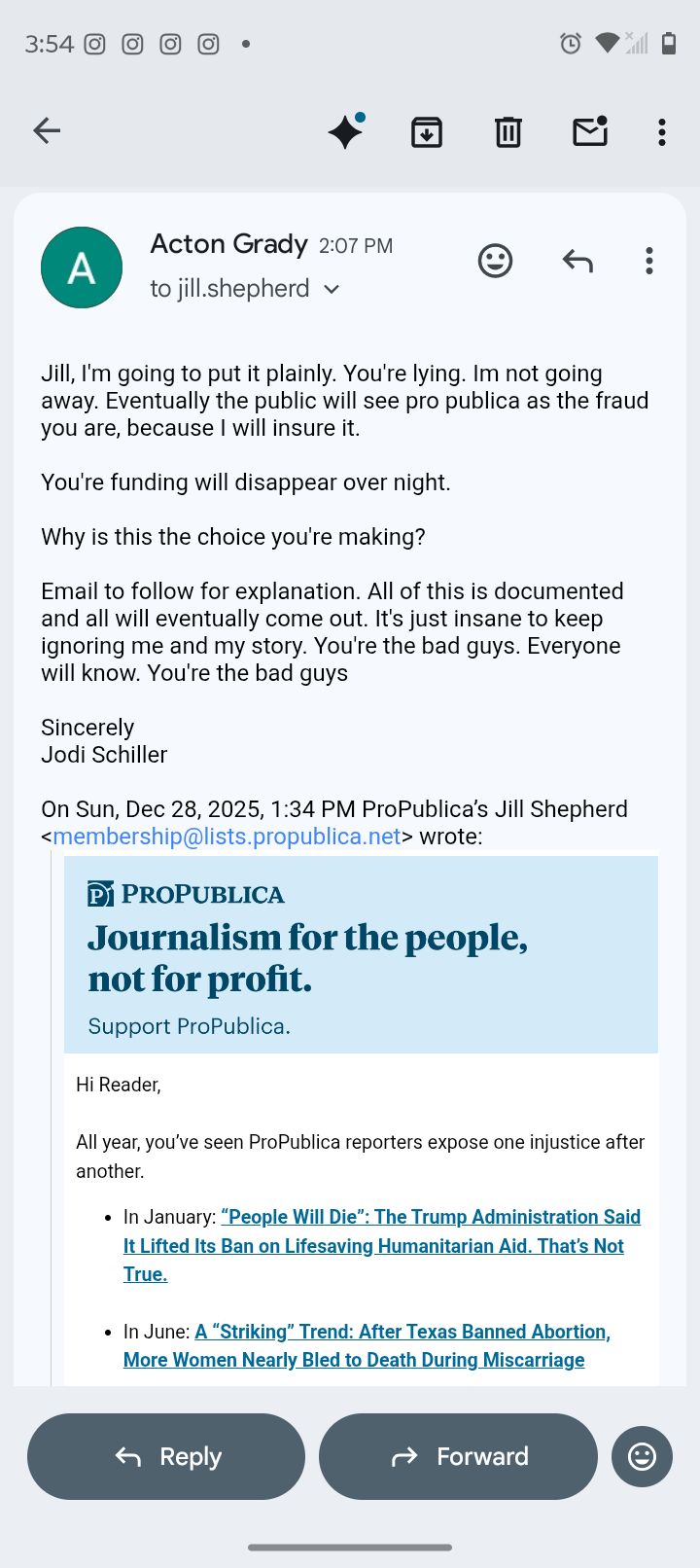
And yet, there has been no engagement.
What That Silence Communicates
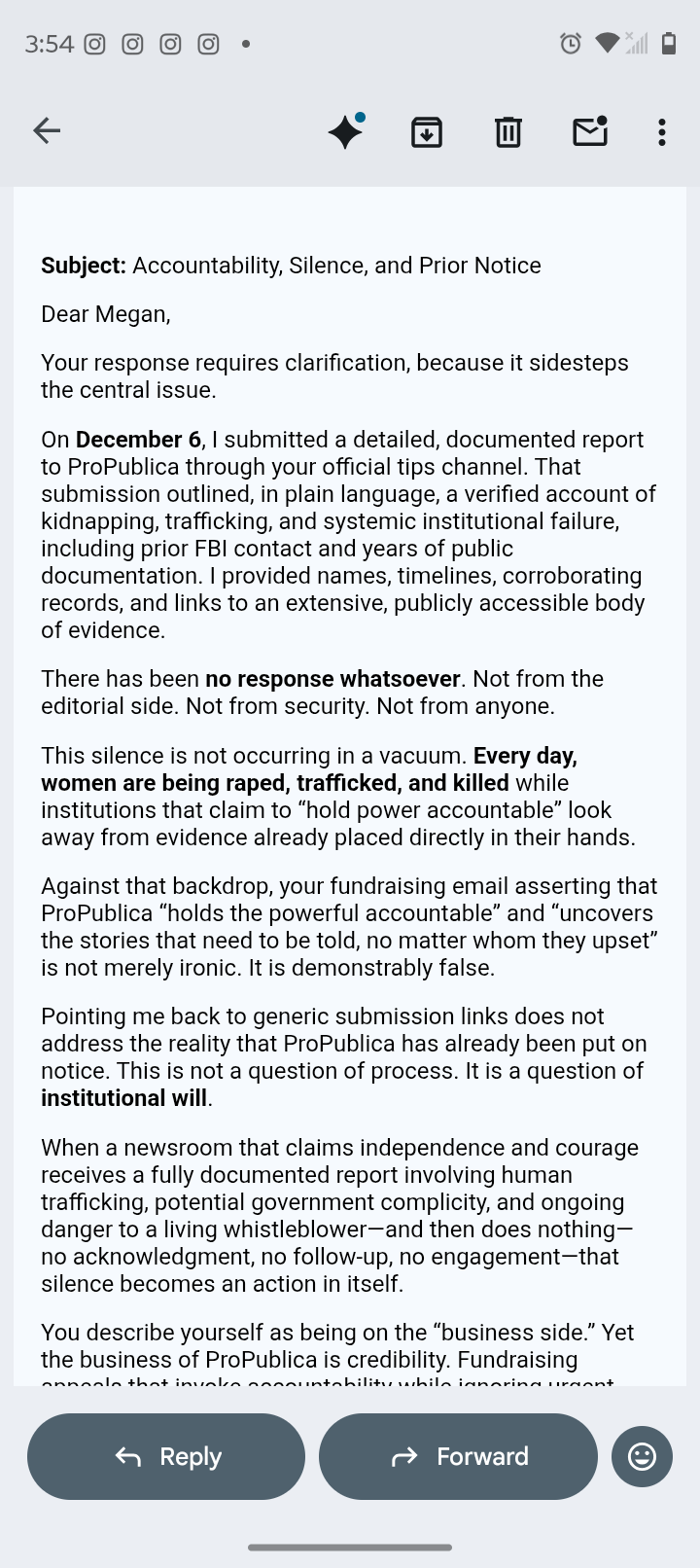
Silence is not neutral. In journalism, it is a choice.
When an outlet built on exposing abuse refuses to even acknowledge a survivor who comes forward with facts, it sends a message. Not just to me, but to every other survivor watching:
Your story is only valuable if it fits our framing.
Your evidence only matters if it’s convenient.
Your existence is negotiable.
This is not bravery. It is brand management.
The Epstein Parallel We’re Supposed to Have Learned From
We are told, endlessly, that the failure around Epstein was collective. That “no one knew,” or that “systems failed.”
But systems don’t fail on their own. People stop listening. Editors decide what is worth pursuing. Institutions choose safety over discomfort.
So when survivors are ignored again, while outlets trade on the moral capital of past failures, the lesson hasn’t been learned. It’s been monetized.
Why I’m Making This Public
I didn’t start by going public. I started by reaching out privately.
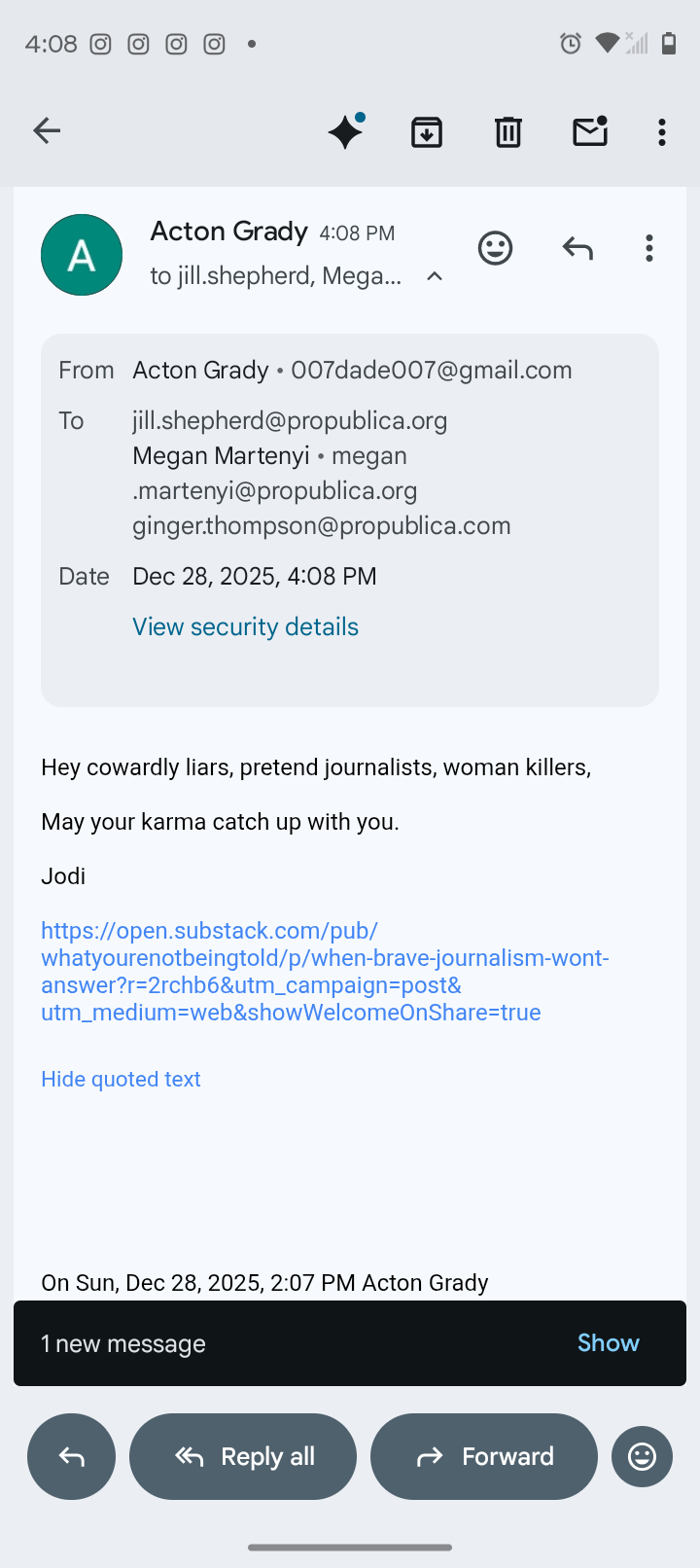
I am sharing screenshots not to dramatize, but to document. To show that this isn’t a misunderstanding or a missed email. It’s a pattern of non‑response.
If ProPublica believes in accountability, transparency, and courage, then engagement should not be optional when a survivor brings facts to the table.
An Open Question
If investigative journalism will not investigate when the subject is inconvenient, personal, or destabilizing, then what exactly are we being asked to fund?
And if survivors are only useful as symbols, never as sources, then the industry hasn’t changed. It’s just learned better language.
I am still available to answer questions.
I am still willing to provide evidence.
Silence, at this point, is not a lack of information.
It’s a decision.
Call to Action
If you are reading this, here’s what you can do: reach out to the leadership at ProPublica—Jill, Megan, and the rest of the team—and ask them directly: “What the fuck is going on?”
Demand accountability. Ask why a survivor with documentation, facts, and willingness to answer questions is being ignored while the organization continues to fundraise off claims of bravery.
Your voice matters. The more people ask, the harder it is for silence to be mistaken for neutrality.


Comments ()