
The Startup “Almost Failed” Story Is a Lie
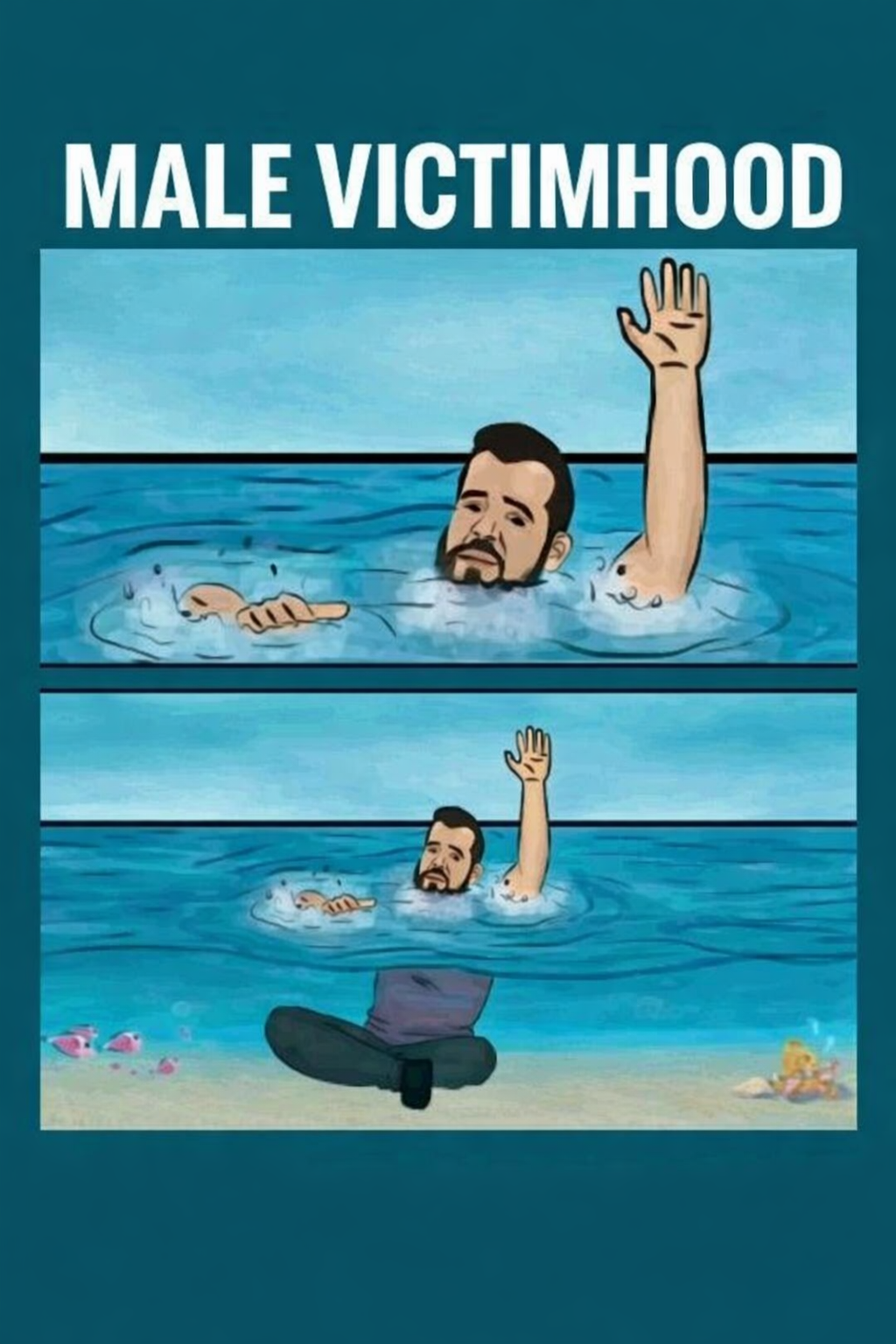
There is a familiar genre in startup culture, always told by men.
They were weeks from running out of money.
The beta failed right before launch.
Every investor said no—until one said yes.
These moments are framed as brushes with annihilation. Proof of grit. Proof of intelligence. Proof that survival was earned.
But these stories are not about real risk.
They are about controlled stress inside a protected system.
What Men Mean by “Failure”
In the startup ecosystem, “failure” usually involves:
- financial pressure without bodily danger
- reputational anxiety without criminalization
- exhaustion without loss of freedom
No matter how dramatic the retelling, the founder remains legible to institutions—investors, media, law enforcement, future employers. There is a floor beneath the fall.
Failure becomes character development.
Survival is inevitable in retrospect.
What Actually Happened to Me
I funded a beta for an extraordinary piece of technology on a shoestring, on my own.
I fundraised internationally, including in China and South Africa.
I operated without elite sponsorship, inherited protection, or institutional backing.
What followed was not a setback.
I was drugged.
I was forcibly transported.
I was held against my will for years.
I was subjected to torture.
I was forced into sex slavery.
When I escaped, I sought help.
U.S. law enforcement refused to meaningfully investigate or pursue the crimes. Instead, I encountered delay, deflection, and reframing. I was portrayed as unstable, as the problem—as if I were stalking my perpetrator rather than surviving them.
This is where the startup story ends.
Not because the work failed—but because the system has no narrative for this outcome.
The Real Limit of “Risk”
Startup culture claims to celebrate risk.
What it actually celebrates is risk that remains abstract.
- Money at stake, not bodies.
- Pressure, not captivity.
- Stress, not sustained violence.
When harm becomes embodied—when it involves physical coercion, sexual exploitation, or prolonged loss of freedom—the founder stops being a protagonist. She becomes an anomaly. A liability. Something to be erased to preserve the myth.
Violence as a Gatekeeping Mechanism
Extreme gendered violence does not merely harm women in tech.
It functions as a gatekeeping mechanism.
When women operate outside approved channels—raising money independently, building without elite protection, moving across borders—the risk they face is not limited to market failure. When violence occurs and is met with institutional silence, the message is unmistakable:
This is what happens when you do not stay within bounds.
No conspiracy is required. Only credible harm, catastrophic consequences, and a reliable absence of enforcement.
Refusal to Investigate Is Not Neutral
When law enforcement refuses to pursue credible reports, declines to investigate, or allows cases to stall indefinitely, that refusal produces outcomes.
Non-investigation confers protection.
Crimes that are not pursued become effectively sanctioned—not by law, but by inertia.
For women founders, this creates a second injury:
- safety becomes conditional
- credibility becomes provisional
- participation becomes optional
This is not a failure of individual morality. It is an institutional choice about which harms are allowed to disappear quietly.
How Women Are Removed from Tech
Gendered violence alone does not force women out.
Gendered violence followed by institutional indifference does.
Markets respond to signals. So do people.
When perpetrators face no investigation and survivors face scrutiny or reframing, the lesson is rational and clear:
Visibility increases danger.
Accountability is punished.
Silence is safer.
Men’s failures are rehabilitated.
Women’s survival is discrediting.
This is how gatekeeping operates without policy.
This is how exclusion persists without fingerprints.
The Bottom Is the Point
Men succeed in tech not simply because they are talented or resilient, but because there is no acknowledged bottom to the violence imposed on women to keep us out.
The system does not require every man to commit harm. It only requires that harm be tolerated, minimized, or rendered invisible—and that those who survive it are removed rather than protected.
There is a floor beneath men’s failure.
There is no floor beneath women’s harm.
A system that allows unlimited violence against women while narrating men’s inconvenience as heroism will reliably produce the same outcome: men rise, women disappear, and the result is called meritocracy.
Until the bottom exists—until violence against women is met with consequence rather than silence—claims of success in tech are incomplete at best and complicit at worst.
This is why many women do not applaud these triumphs.
They recognize the cost that never makes it into the pitch deck. See below:


Comments ()