I Built a Technology Platform. Then I Was Kidnapped. Then the State Turned Me Into the Criminal.
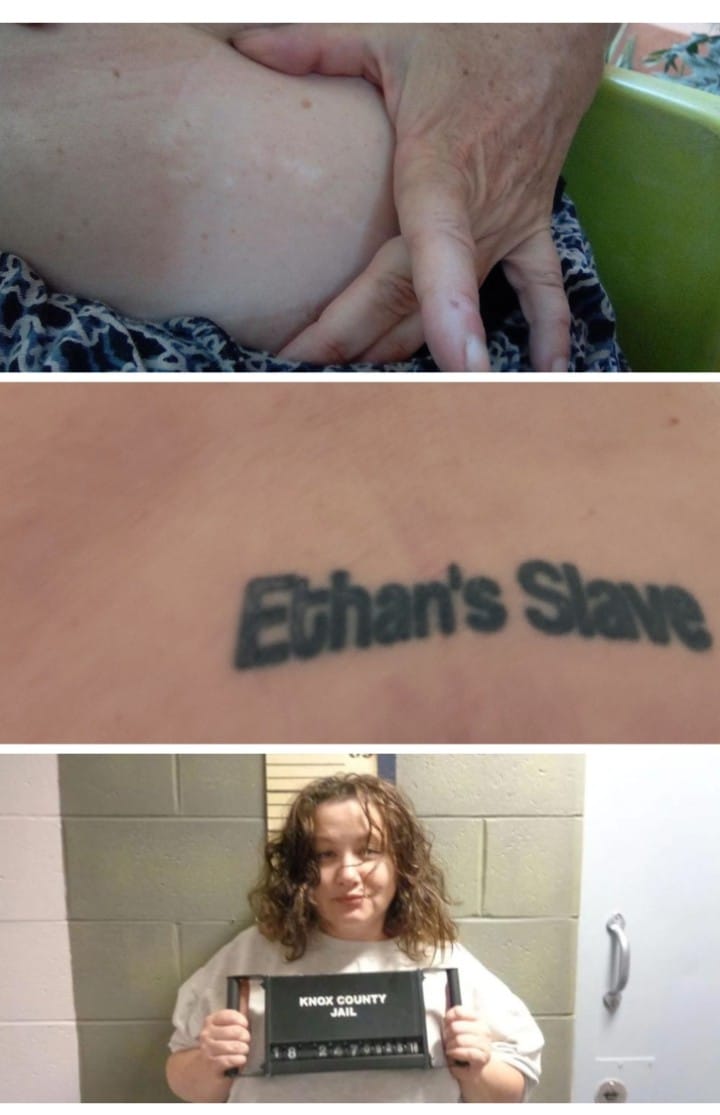
I Built a Technology Platform. Then I Was Kidnapped. Then the State Turned Me Into the Criminal.
By Jodi Schiller
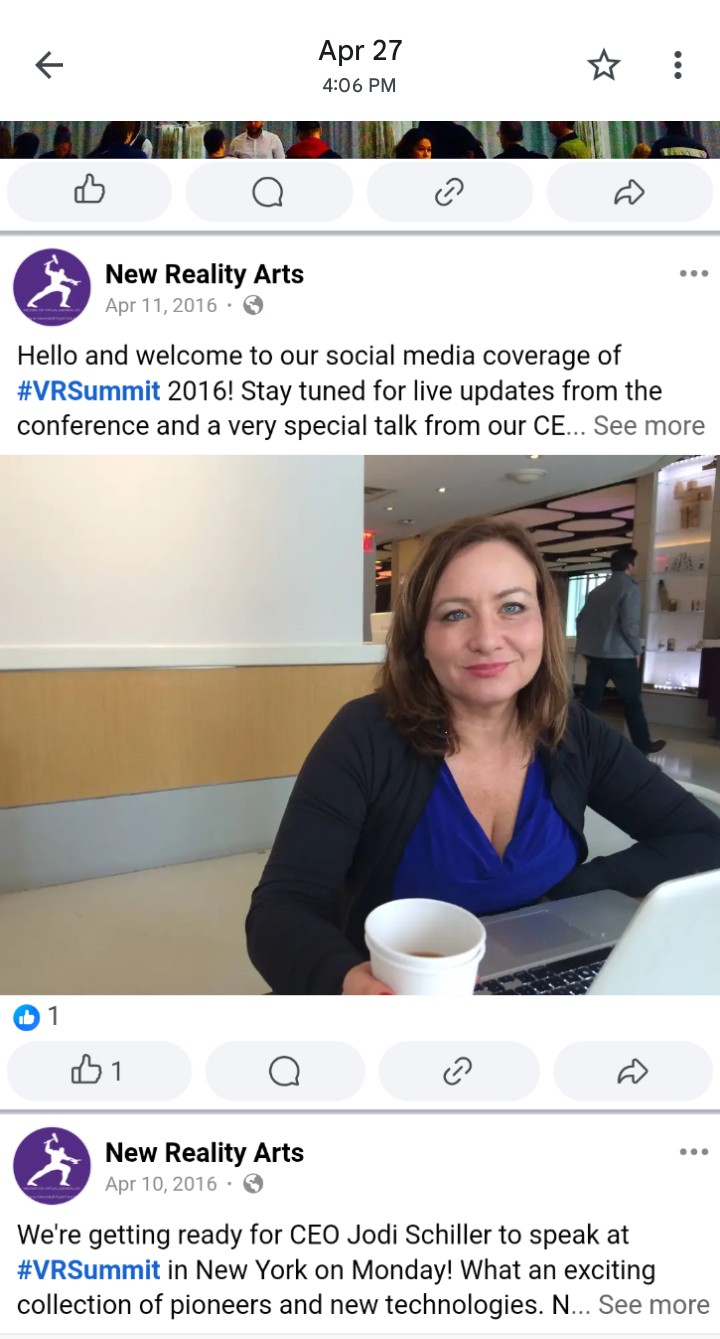
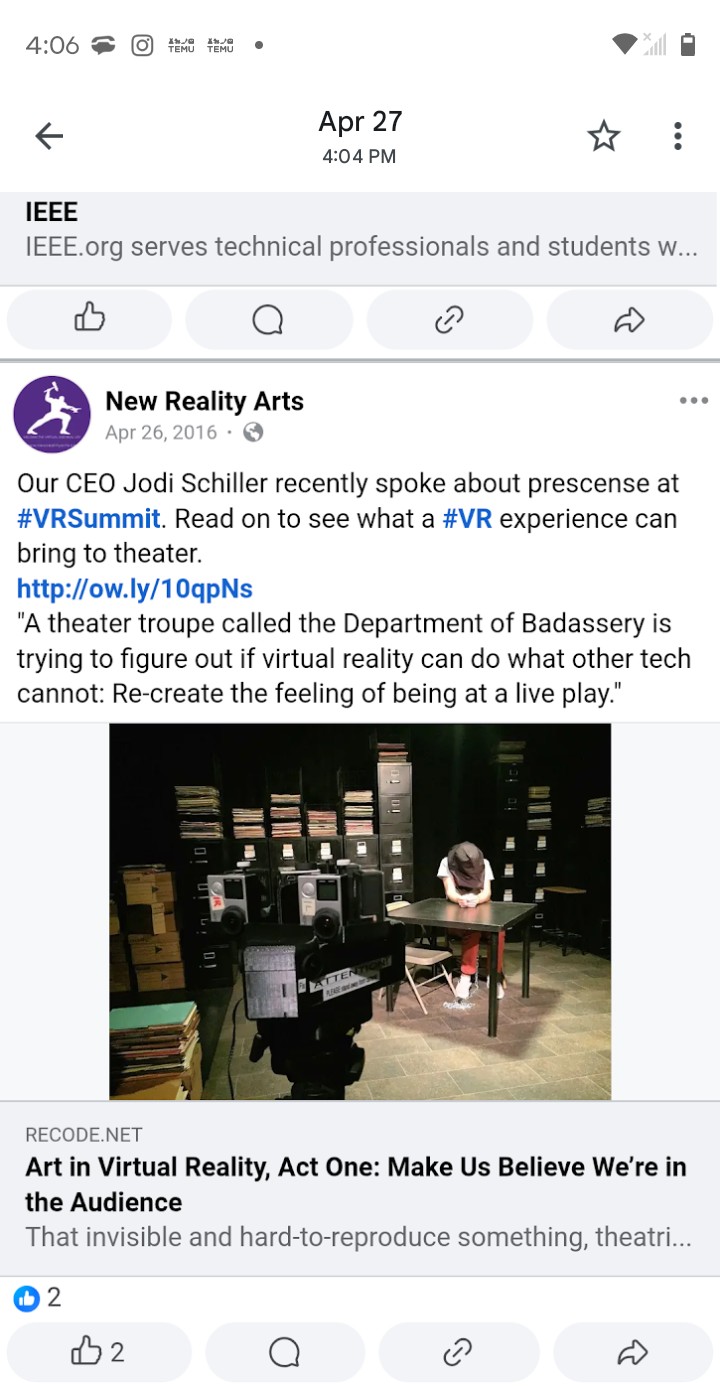
I founded New Reality Arts, Inc., a Delaware C-Corporation, to build a technology platform called MetaObjects—a blockchain-connected AR/VR advertising and e-commerce system designed to embed fully interactive 3D products into real-world media.
This was not theoretical.
I built a working beta.
The platform functioned.
Brands could attach interactive 3D objects to print ads, physical products, and web placements—objects that opened into animation, video, analytics, and direct commerce across augmented reality, virtual reality, and blockchain-based asset architecture.
MetaObjects was designed for the exact convergence that would later be labeled the metaverse economy.
I was actively pursuing funding.
I was weeks away from a deal.
My company had momentum.
My life had direction.
Then I was drugged in South Africa.
I was transported against my will to Camden, Maine.
There, I was held as a sex slave for two years.
During that time, I was raped repeatedly, controlled, surveilled, threatened, isolated, and economically stripped. I was not free. My movements were controlled. My communications were not my own.
While I was being held in captivity, I was forced to send emails to the man who was controlling and abusing me. Those communications were acts of survival under coercion. They did not reflect consent, desire, or intent.
Those same emails were later stripped of context and weaponized.
They were used to construct a false narrative:
that I had voluntarily gone to Maine because I wanted this man,
that I was obsessed with him,
that I was stalking him.
In reality, I had already gone to the FBI years earlier about this individual.
The criminal file that now exists in Knox County does not document crimes committed against me. It documents a story built about me—one that converts coercion into intent, captivity into pursuit, and survival into criminality.
I was charged with stalking the man who was trafficking and torturing me.
At one point, the charge was escalated to “stalking two”—a charge that legally requires a prior conviction of “stalking one.” No such conviction ever occurred.
Yet it proceeded anyway.
The file is filled with distortions, procedural violations, and narrative constructions that do not arise from a good-faith investigation. It functions as an instrument of inversion, not justice.
---
When It Was Happening
When I was first kidnapped, I did not understand human trafficking.
I knew it existed. I knew it happened “somewhere.” But I did not understand the scale. I did not understand that it operated inside the United States the way it does. I did not have language, framework, or context for what was happening to me.
What I knew was simple and absolute:
I was not stalking anyone.
I was the victim.
I was trapped.
I was being tortured, and my mind was shattering under conditions no human nervous system is designed to endure. I could not make sense of the larger structure because survival consumed everything.
I remember walking through Camden, looking at people on the street, and thinking:
I am a prisoner. They are free.
I remembered what it used to feel like to be free. And I remember wondering—how many women are walking around right now just like me? How many prisoners are hidden in plain sight?
Only later did I gain the language, the data, and the expertise to understand what had been done to me.
Since then, I have become deeply educated in human trafficking—not by choice, but by necessity.
And what happened to me fits a known, repeatable pattern.
---
Coercive Control and Narrative Warfare
One of the most devastating weapons used against trafficked women is not physical restraint alone. It is forced narrative distortion.
Under coercive control, a victim is not only dominated physically, but psychologically. Pain, threat, isolation, surveillance, and dependency are used to override agency and reshape outward behavior. Victims are forced to participate in their own misrepresentation.
I was tortured. I bear physical marks on my body. And while that was happening, I was forced to send communications that made it appear as though I wanted what was being done to me—that I desired my captivity, that I consented to my abuse, that I chose my own enslavement.
I did not.
No one would.
But this is precisely how trafficking functions.
The general public has little understanding of coercive control—how it fractures cognition, warps speech, and compels compliance. Women have been trying to explain this for years, often unsuccessfully, because coerced words are routinely mistaken for voluntary ones.
They are not the same.
In trafficking situations, victims are forced—through terror, pain, and psychological annihilation—to say things that are false, dangerous, and self-incriminating. These statements are then extracted from the context of captivity and presented as evidence of desire, intent, or instability.
This is narrative warfare.
The trafficker controls the body.
The system controls the story.
And the story is what survives.
Once a coerced narrative exists—an email, a text, a recorded statement—it becomes more powerful than bruises, more durable than testimony, and more believable than truth. It is used to discredit the victim, justify institutional inaction, and retroactively absolve the abuser.
I was forced to produce a false narrative under torture. That narrative was later used to place me in legal jeopardy, to reframe me as the aggressor, and to shield the men who harmed me from scrutiny.
Understanding trafficking requires understanding that words spoken under coercion are evidence of captivity, not intent.
Until institutions grasp this, trafficked women will continue to be punished for the very strategies that kept them alive.
---
The Standard Playbook of Trafficking Erasure
Framing the trafficking victim as the perpetrator is not rare. It is one of the most common suppression tactics used when sexual exploitation intersects with power, money, or institutional liability.
Across trafficking cases, the same maneuvers repeat:
Coerced communications are reframed as voluntary intent.
Escape attempts are reframed as harassment.
Resistance is reframed as instability.
Demands for investigation are reframed as obsession.
The predator disappears into plausibility.
The victim disappears into pathology.
Once the label shifts, law enforcement no longer investigates the original crime. Courts defer to the new narrative. The public never sees the underlying violence. The woman becomes the case file. The trafficker becomes invisible.
This inversion does not happen by accident.
It happens because it works.
I did not understand this system when it was used on me. I understand it now—because it destroyed my life.
---
Gendered Economic Sabotage
While this was happening, MetaObjects disappeared.
My company did not collapse because of market failure. It collapsed because I was physically removed from my life, my finances, my communications, and my legal identity.
A working technology platform with real economic value vanished the moment I vanished.
This was not only sexual violence.
This was gendered economic sabotage.
The destruction of my body and the destruction of my company were the same act.
To this day, law enforcement has refused to investigate my kidnapping, my captivity, my sexual enslavement, or the economic annihilation of my work. What remains instead is a criminal file that presents me as the offender.
I was not merely assaulted.
I was not merely robbed.
I was administratively erased.
---
Iron Jodi — Legacy
This is happening to women all across this country.
I Built a Technology Platform. Then I Was Kidnapped. Then the State Turned Me Into the Criminal.
By Jodi Schiller
I founded New Reality Arts, Inc., a Delaware C-Corporation, to build a technology platform called MetaObjects—a blockchain-connected AR/VR advertising and e-commerce system designed to embed fully interactive 3D products into real-world media.
This was not theoretical.
I built a working beta.
The platform functioned.
Brands could attach interactive 3D objects to print ads, physical products, and web placements—objects that opened into animation, video, analytics, and direct commerce across augmented reality, virtual reality, and blockchain-based asset architecture.
MetaObjects was designed for the exact convergence that would later be labeled the metaverse economy.
I was actively pursuing funding.
I was weeks away from a deal.
My company had momentum.
My life had direction.
Then I was drugged in South Africa.
I was transported against my will to Camden, Maine.
There, I was held as a sex slave for two years.
During that time, I was raped repeatedly, controlled, surveilled, threatened, isolated, and economically stripped. I was not free. My movements were controlled. My communications were not my own.
While I was being held in captivity, I was forced to send emails to the man who was controlling and abusing me. Those communications were acts of survival under coercion. They did not reflect consent, desire, or intent.
These communications occurred under conditions consistent with coercive control as defined in domestic violence and trafficking jurisprudence, where apparent compliance is a survival response—not consent.
Those same emails were later stripped of context and weaponized.
They were used to construct a false narrative:
– that I had voluntarily gone to Maine because I wanted this man,
– that I was obsessed with him,
– that I was stalking him.
In reality, I had already gone to the FBI years earlier about this individual.
The criminal file that now exists in Knox County does not document crimes committed against me. It documents a story built about me—one that converts coercion into intent, captivity into pursuit, and survival into criminality.
I was charged with stalking the man who was trafficking and torturing me.
At one point, the charge was escalated to “stalking two”—a charge that legally requires a prior conviction of “stalking one.” No such conviction ever occurred.
Yet it proceeded anyway.
The file is filled with distortions, procedural violations, and narrative constructions that do not arise from a good-faith investigation. It functions as an instrument of inversion, not justice.
---
When It Was Happening
When I was first kidnapped, I did not understand human trafficking.
I knew it existed. I knew it happened “somewhere.” But I did not understand the scale. I did not understand that it operated inside the United States the way it does. I did not have language, framework, or context for what was happening to me.
What I knew was simple and absolute:
I was not stalking anyone.
I was the victim.
I was trapped.
I was being tortured, and my mind was shattering under conditions no human nervous system is designed to endure. I could not make sense of the larger structure because survival consumed everything.
I remember walking through Camden, looking at people on the street, and thinking:
I am a prisoner. They are free.
I remembered what it used to feel like to be free. And I remember wondering—how many women are walking around right now just like me? How many prisoners are hidden in plain sight?
Only later did I gain the language, the data, and the expertise to understand what had been done to me.
Since then, I have become deeply educated in human trafficking—not by choice, but by necessity.
And what happened to me fits a known, repeatable pattern.
---
Coercive Control and Narrative Warfare
One of the most devastating weapons used against trafficked women is not physical restraint alone. It is forced narrative distortion.
Under coercive control, a victim is not only dominated physically, but psychologically. Pain, threat, isolation, surveillance, and dependency are used to override agency and reshape outward behavior. Victims are forced to participate in their own misrepresentation.
I was tortured. I bear physical marks on my body. And while that was happening, I was forced to send communications that made it appear as though I wanted what was being done to me—that I desired my captivity, that I consented to my abuse, that I chose my own enslavement.
I did not.
No one would.
But this is precisely how trafficking functions.
The general public has little understanding of coercive control—how it fractures cognition, warps speech, and compels compliance. Women have been trying to explain this for years, often unsuccessfully, because coerced words are routinely mistaken for voluntary ones.
They are not the same.
In trafficking situations, victims are forced—through terror, pain, and psychological annihilation—to say things that are false, dangerous, and self-incriminating. These statements are then extracted from the context of captivity and presented as evidence of desire, intent, or instability.
This is a form of narrative warfare.
The trafficker controls the body.
The system controls the story.
And the story is what survives.
Once a coerced narrative exists—an email, a text, a recorded statement—it becomes more powerful than bruises, more durable than testimony, and more believable than truth. It is used to discredit the victim, justify institutional inaction, and retroactively absolve the abuser.
I was forced to produce a false narrative under torture. That narrative was later used to place me in legal jeopardy, to reframe me as the aggressor, and to shield the men who harmed me from scrutiny.
Understanding trafficking requires understanding that words spoken under coercion are evidence of captivity—not intent.
Until institutions grasp this, trafficked women will continue to be punished for the very strategies that kept them alive.
---
The Standard Playbook of Trafficking Erasure
Framing the trafficking victim as the perpetrator is not rare. It is one of the most common suppression tactics used when sexual exploitation intersects with power, money, or institutional liability.
Across trafficking cases, the same maneuvers repeat:
– Coerced communications are reframed as voluntary intent.
– Escape attempts are reframed as harassment.
– Resistance is reframed as instability.
– Demands for investigation are reframed as obsession.
The predator disappears into plausibility.
The victim disappears into pathology.
Once the label shifts, law enforcement no longer investigates the original crime. Courts defer to the new narrative. The public never sees the underlying violence. The woman becomes the case file. The trafficker becomes invisible.
This inversion does not happen by accident.
It happens because it works.
I did not understand this system when it was used on me. I understand it now—because it destroyed my life.
---
Gendered Economic Sabotage
While this was happening, MetaObjects disappeared.
My company did not collapse because of market failure. It collapsed because I was physically removed from my life, my finances, my communications, and my legal identity.
A working technology platform with real economic value vanished the moment I vanished.
This was not only sexual violence.
This was gendered economic sabotage.
The destruction of my body and the destruction of my company were the same act.
When women are removed from their lives through captivity, the market treats the disappearance of their work as natural rather than criminal.
To this day, law enforcement has refused to investigate my kidnapping, my captivity, my sexual enslavement, or the economic annihilation of my work. What remains instead is a criminal file that presents me as the offender.
I was not merely assaulted.
I was not merely robbed.
I was administratively erased.
---
Iron Jodi — Legacy
This is not a metaphor. It is a documented, repeatable mechanism.
This is happening to women all across this country.
Women without platforms.
Women without resources.
Women without the ability to fight back, document, or survive what comes after.
They are being demolished by this system.
They are being killed by it.
They are being erased quietly.
And I am not one of them.
I am Iron Jodi.
Granddaughter of Iron Gert.
Daughter of Martin Schiller.
I come from people who do not fold.
I come from people who survive.
I come from people who fight back.
On some deep, unmovable level, I am glad this happened to me—because I am the wrong fucking woman for it to happen to.
I am still here.
I see the system clearly now.
And I am not done.
If this machinery thought it could erase me, it made a catastrophic mistake.
I built a company.
I built a working platform.
I was pursuing funding.
I was kidnapped.
I was held as a sex slave.
My communications were coerced.
They were used to frame me.
I was turned into the criminal.
My life’s work was destroyed.
This is not an isolated tragedy.
This is how women innovators are eliminated when their existence becomes inconvenient.
I am Iron Jodi.
And I do not stop.
--
-

Comments ()